


As a keen 20-something amateur photographer with a passion for travel and wildlife, it was always my dream to make money as a travel photographer. But I never imagined it might actually happen!
Yet somehow, I’ve finally reached a point in my life where not only do I get offered free trips to places I’d never be able to afford (all those epic safaris are well out of my budget!) but I can sometimes even get paid to go on them, or earn money from the trip after I get back.
It sounds like the perfect life, doesn’t it? And in many ways, it is. I get to jet off to stunning parts of the world, hang out with interesting people, and see and do things I’d never be able to do otherwise. And I get paid to do it (sort of…).
In this post, I’ll explain how I do it – and also explore the realities and opportunities of earning as a travel and wildlife photographer.

This post is the third in my occasional series based on ‘things people ask me so often I thought it would be easier to just write it all down’. In case you missed them, the first two are about how I look after my curly hair and the best camera for wildlife photography.
How I got into travel photography
I didn’t set out to be a full-time travel photographer. In fact – full disclosure – I’m still not one.
Like most people in this field, travelling and taking photos is only one part of the job – and not the best-paid bit.
I’ve spent 20 years as a freelance documentary producer-director, researching, setting up, filming and editing stories all around the world.
Alongside this, I did photography as a hobby and a passion, and occasionally my photos from shoots were used as publicity stills for the films I worked on, but mainly they just ended up on Facebook.

In 2017, I created Passport & Pixels (this website!) as a way to show off my images to the world. I started attending blogging conferences and events and entering awards. I learned more about blogging, won some awards, and started to get noticed.
Through networking and attending masterclasses and talks, I learned about pitching and began submitting ideas to magazines, newspapers, brands and tourism boards. Over time, I began to get commissioned.
Now my images and words have appeared in publications including National Geographic Traveller, BBC Travel, the Daily Telegraph and Travel Africa.
I’ve worked with brands and tourism boards including Tourism Thailand, Visit Czechia, Botswana Tourism Organisation, Inspire Tunisia, Pangolin Photo Safaris and So Sri Lanka.
But it’s been a long, slow process, and I still have good months when I’m crazy busy, and bad months where I earn nothing and lie awake at 3 am wondering if I should just give up and get a proper job.


Why it’s hard to make money as a travel photographer
Earning money as a travel photographer isn’t easy. Gone are the days where there were just a handful of lucky souls roaming the globe, taking photos no one had ever seen before and selling them for thousands to newspapers and magazines, who couldn’t get enough.
Today, improvements in camera gear have made it much easier to capture great images, the market is saturated with talented photographers, and phones are so good now that plenty of brands will happily use smartphone images instead of paying a professional.
Many brands and destinations won’t pay to fly someone out when they can use a local photographer for a fraction of the cost. And that’s better for the environment too!
At the same time, magazines have closed, ad revenues have plummeted, and with so many of us keen to travel, brands and publications have no trouble persuading people to do the work for free or in exchange for (the dreaded) exposure.
There’s also a huge barrier to entry when you’re starting out and having to pay your own way: good camera gear is expensive, travel costs can be high, and assignments rarely cover expenses.
In addition, you need to spend a lot of time building a portfolio, networking, and marketing yourself – a challenge if you’re trying to do it alongside a full-time job.
There’s an old saying: the quickest way to make money in photography is to sell your camera!
Read more: 25 Brilliant Tips For Travel Photography
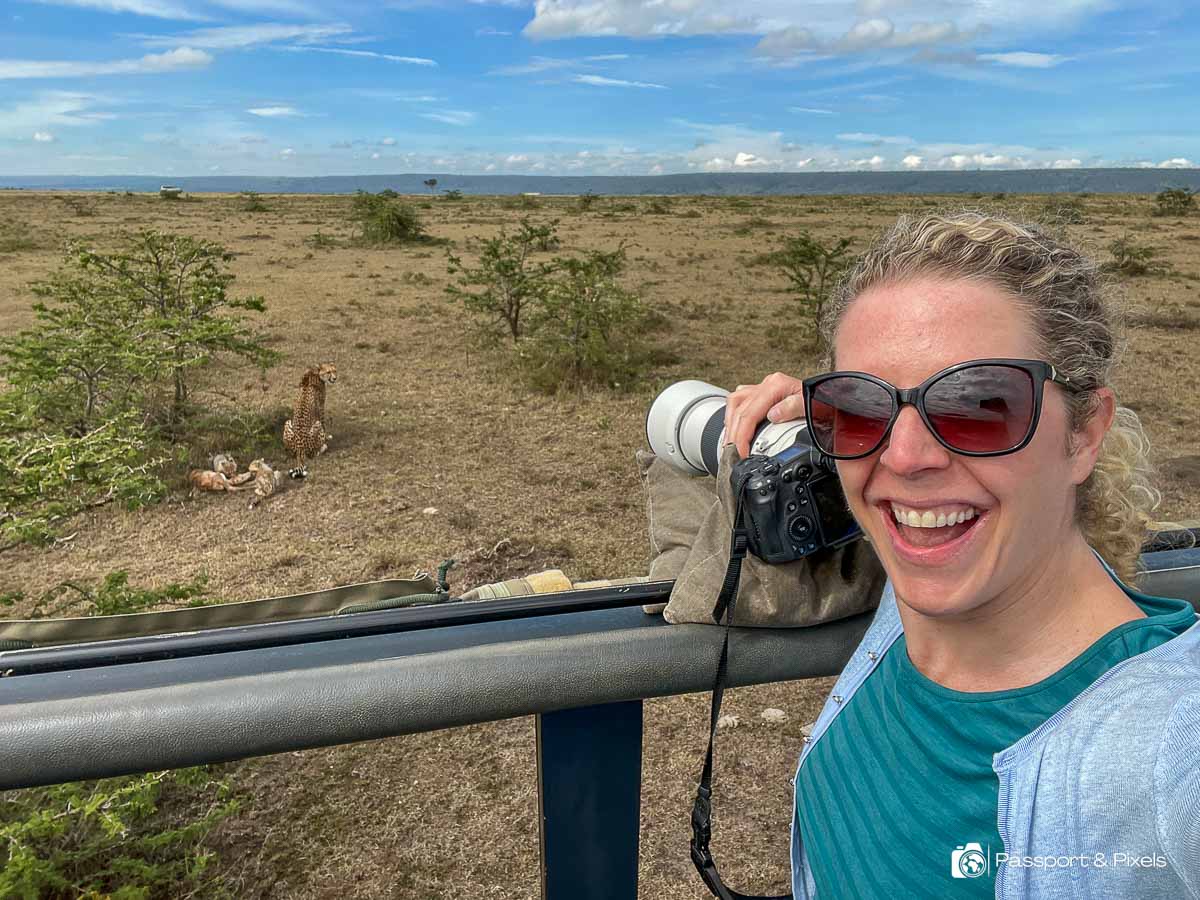
How much do travel photographers make?
How long is a piece of string?! One month you might earn nothing at all, the next you might lead a sold-out workshop and earn $10,000. If you’re a well-known photographer, it could be even more.
Top travel and wildlife photographers are making good money from diverse sources – with leading tours, commercial brand partnerships and running successful YouTube channels probably the top earners. But the reality is that until you’re established, you’ll be earning a lot less.
Today, the amount of money I make from travel photography is significantly lower than what I get from the occasional TV work I do. And if you count up the hours I put in, my travel photographer salary is MUCH less than the minimum wage.
For example, if I do a week-long press trip offering words and images to a magazine, that’s a week of my time, plus a few days back home to write the article and edit the images. For that, in the UK, if I’m lucky, I might earn £500. If I’m extra lucky, I might land a second commission and another £500.
£1000 for two weeks work is hardly big bucks, I think you’ll agree! And that’s not counting all the hours I spend pitching to get commissions or negotiating fees.
Read more: 30 Top Travel Photography Blogs

How to make money as a travel photographer
Thanks to this inconsistency and poor pay, the key to earning money from travel photography is having a diverse range of sources of income.
Here are some of the ways you might be able to make money from travel or wildlife photography.
1/ Pitch travel or photo stories to publications
This is the backbone of what I do.
Although the pay isn’t great, it’s the best way I’ve found to actually get on those sought-after trips. The key is to come up with a fresh idea that fits the publication’s style and audience (which is a lot easier said than done!)
I pitch travel or wildlife features – usually words and images together – to magazines and newspapers. The pay isn’t amazing, but it gets me on trips, and if I can repackage the content when I get back, I can sell other story angles or the photos on their own to the brand or tourism board.
Relationships matter here. Once editors and PRs know you and trust you to deliver, you’re more likely to get commissions. It’s not easy to break in, but it’s possible with a good portfolio, persistent pitching, and a high tolerance for getting rejected or ghosted!
How much can you earn? Typically I get paid between about £250 and £500 per article, plus about £30-£50 per image (more for a cover photo).
Read more: Travel Photography On The Road – My Photo Editing Workflow Tips


2/ Sell via stock libraries
Selling through stock libraries (like Alamy, Getty, Adobe Stock) can bring in some passive income – but stock pays pretty badly so making any kind of money is a numbers game. The image libraries sell your images fairly cheaply and you only get to keep at most 40% of that (and often a lot less).
You need thousands of high-quality images to be successful. It takes a huge time investment to sort, upload and keyword images. And with AI-generated images flooding the market, it’s getting harder to stand out.
That said, if you shoot unique or underrepresented subjects, stock can still be worth a bit of extra income.
How much can you earn? I have about 2000 photos on Alamy and make around $1000 a year. Not nothing, but definitely not ‘quit your job’ money.
Read more: 25 Spectacular Travel Photography Destinations (With Photos)

3/ License your images after a trip
After any trip, I will usually create a photo gallery to send to the brand or destination to see if they would like to licence my images for use in their content marketing, on their website, social media, or whatever.
Some don’t have budget, but some appreciate having a nicely packaged selection offered to them so they don’t have to go hunting. It’s always worth asking.
Proactively reaching out to potential clients can help you sell your images, but it does take time and persistence. Sometimes, however, I get lucky, and a client will find one of my images online and reach out to me to ask to licence it.
How much can you earn? Licensing fees vary a lot, depending on usage, distribution, exclusivity, and how unique or special your images are. You could be looking at anything from $100 to $1000 for a single image (or a whole lot more if it’s being used in a huge worldwide ad campaign).
Read more: Ethical Travel Photography: How To Capture With A Conscience

4/ Work with brands and tourism boards
If you have a solid portfolio and some industry connections, you can get hired by destinations or tour companies to shoot content for them – either for their own use, or as part of a creator campaign.
You don’t need a million followers. What you do need is high-quality work and a clear niche or angle. Some brands want social media reach. Others just want brilliant, professional content.
A lot of them won’t pay – they’ll offer a free trip and ‘exposure’. But some will pay properly, especially if your style aligns with their brand.
Brands usually look for reels or short-form video content now, so being a travel photographer isn’t enough on its own – you need to be a travel videographer too!
How much can you earn? Some brands pay as little as $100 for a reel, but established creators can command many thousands of pounds for a package of content.
Read more: 21 Incredible Places For Sunset Photography – With Photos

5/ Find a unique niche
If you can do something others can’t – incredible drone shots, underwater photography, artistic light painting – that’s when you stand out.
The more distinctive your work, the more you can charge. And the more likely brands are to want you, specifically, instead of any old content creator with a camera.
One photographer I know got famous on Instagram with a particularly unique and memorable artistic style. He’s since acquired many copycats, but of course he’s the original and now works with high profile brands to create content for them.
How much can you earn? If you’re unique and brands are keen to work with you, you could be looking at five-figure sums for a single brand partnership.
Read more: 41 Safari Photography Tips For Stunning Wildlife Photos

6/ Start a blog and monetise it
Blogging is how I got started, and it’s still one of my most consistent sources of income from my travel and wildlife photography – through ad revenue, affiliate links, and sponsored posts.
With AI search results and Google killing traffic to many blogs, making good money from blogging is much harder than it used to be, but not impossible.
Today, you need to diversify your traffic sources away from just search results (using social media, Pinterest, or Reddit for example).
Having great imagery on your blog can help – and if your images rank in Google Images that can lead to some of the image licensing opportunities I mentioned above.
How much can you earn? I currently earn about £1000 a month from my blog through ads and affiliates, but it’s possible to earn much more than that. I know of bloggers who earn at least five times that, though many bloggers have been badly hit by changes to the Google algorithms and the rise of AI in search results.
7/ Lead tours
This is one of the main ways that travel photographers make money.
Leading workshops or tours allows photographers to share their knowledge with other photography lovers and create a travel experience that goes beyond the usual group tours.
Lots of beginners or improvers will pay good money for this kind of holiday, especially if it’s well-organised and with a photographer with a great reputation.
I’m currently in talks to team up with a great tour company to start leading my own photography tours next year – so watch this space!
And if you want to hear about that when they happen, you can sign up for my newsletter here.
How much can you earn? Day rates can be about £250-500 a day for guiding, but if you’re well-known and people are signing up specifically to travel with you, you can command higher fees.
Want to see more of my photography or travel writing? Have comments or questions? Come follow me on Instagram, Threads or Bluesky and share your thoughts!

8/ Public speaking
It might sound terrifying, but public speaking can be another good way to make money as a travel photographer.
Photography clubs, festivals and travel events look for engaging speakers to share behind-the-scenes stories and inspiration.
And if you’re comfortable on stage, this can be not just a way to earn money from travel photography, but also great for building your personal brand and making connections.
When I’ve done talks, I’ve usually been asked to present a combination of my best images along with the stories behind them as well as any tips and takeaways. People love hearing the real, messy, unfiltered stuff behind the glossy photos.
You won’t get rich from one-off speaking gigs, but it’s another piece of the income puzzle – and they’ll usually cover travel too.
How much can you earn? Fees vary depending on the event and the organisers’ budget, but start from about £250-500 for a small event. Of course if you become a well-known expert, you can earn much more. Top professional speakers get paid tens of thousands of pounds for a single engagement!

9/ Start a YouTube channel
This is one I haven’t cracked yet (though I do occasionally appear in my reels on Instagram like the one below), but some photographers are making good money from YouTube.
You can earn from ad revenue, affiliate links, sponsorships, and even fan ‘tipping’ platforms like Patreon or Ko-Fi. The key seems to be consistency and offering something useful – whether it’s editing tutorials, travel tips, gear reviews, or vlogs showing the behind-the-scenes reality of your shoots.
(And since I just mentioned it, if you’re enjoying this post and want to show your support, you can buy me a coffee here!)
If you’ve got a good personality on camera and you’re happy to put in the time, it can pay off. Just like blogging, it takes time to build an audience, but the potential is big – especially if you have a great niche.
How much can you earn? YouTubers typically earn about $5 to $15 per thousand views – though the top guys earn much more. That means that if you get 10,000 views on your video you might generate $50-$1500. Then YouTube takes a 50% cut.
10/ Sell prints
Selling prints is another way you can earn money as a wildlife photographer, but it’s not easy. It’s competitive, margins are low unless you’re doing it at scale or selling limited editions, and marketing them well takes real time and effort.
BUT – it’s still worth having a print store or photo gallery on your site, especially if people regularly ask to buy your photos. Sometimes, all it takes is one image that connects with someone emotionally for them to buy a print, and that’s a lovely feeling (for both of you!).
Just don’t expect to pay your mortgage with print sales unless you’re doing a LOT of volume or you accidentally capture one unique and incredible image that goes viral.
You can see my print store here (and every image on this site is available to buy – just let me know what you’d like and I can add it to the store).
How much can you earn? This is up to you. You can price your images any way you like, but of course you won’t make any money if no one wants to buy them.
Read more: How To Make A Stunning Photo Gallery Wall: My 7-Step Guide

11/ Get a full-time job
Some tour operators, cruise lines, adventure companies, resorts or NGOs hire in-house photographers to travel with them and shoot content.
You might be documenting guest experiences, creating marketing content, or shooting landscapes, wildlife, and behind-the-scenes moments for their website and socials.
The pay is often pretty bad. But your travel, food, accommodation, and insurance are usually all covered – which means what you earn, you keep.
It can be an incredible way to travel the world, build a portfolio, and get paid while doing it.
If you’re flexible, adventurous, don’t mind being away from home for long periods and aren’t too fussed about luxury (or personal space), this can be an amazing foot in the door.
How much can you earn? According to the internet, cruise ship photographers earn up to about $2000 a month (but remember that your food and accommodation is free). Resort photographers might get a low hourly rate or a basic low salary of about $1500 a month, but can earn extra from tips and commissions from upselling photos.

So, can you earn money as a travel photographer?
Short answer: yes. But it’s not quick, or easy, or always glamorous.
It’s a patchwork of income sources, most of which pay modestly and inconsistently – and the real work is often in front of a computer, pitching ideas, negotiating rates, editing content, chasing invoices, and staying positive and persistent even when no one’s replying.
But it is possible. And it can be amazing.
If you love photography and travel, and don’t mind juggling different income streams (and the occasional existential crisis), it’s absolutely worth pursuing.
Just don’t quit your day job too soon.

My top tips for how to become a travel photographer
- Follow other photographers, see what they do, learn what works and what doesn’t, and then try to find the thing that makes you stand out.
- Build a portfolio. You don’t need to travel to exotic places: travel can be in your local area.
- Show off your work online. You can build a pretty decent website using Wix or Squarespace but you need a great shop window that shows people who you are and what you can do.
- Network! Where possible, enter competitions, go to events, or offer to shoot for local businesses. As they say, it’s not who you know, it’s who knows you.
- Don’t put all your eggs in one basket. Diversify your income streams and try lots of different things
- Have a backup plan. Have some savings in place, or some money coming in from a day or part-time job while you get going.
- Be persistent. Success definitely doesn’t happen overnight. I’ve been going more then six years and only now am I starting to feel like I’m really getting somewhere!
And that’s it! I hope you found this useful. Good luck in your travel photography career, and when you’ve made your first £100, please come back and let me know!
Want to see more of my photography or travel writing? Have comments or questions? Come follow me on Instagram, Threads or Bluesky and share your thoughts!

Buy me a coffee
Did you enjoy this website or find it useful? If you did and fancy showing your appreciation, that would be amazing!
A small token of support helps keep Passport & Pixels going, so I can carry on creating free content for travellers like you. Also, it makes my day! Thank you!
Where to next?
If you liked this post about how to become a travel photographer, check out some of my other travel photography posts!
- 70+ Stunning South Georgia Photography Tips
- Best Camera Settings For Northern Lights Photography
- Curly Hair Travel Kit And Techniques From A Curly Traveller
- Myanmar photography: a stunning place for portraits
- 19 Easy Wildlife Photography Tips For Beginners
- 60+ Awesome Antarctica Photography Tips
- Stunning Photography on the Streets of Cuba
My favourite travel tools and brands
To help you organise your trip, here’s a short list of some of the brands and tools I use over and over again when I’m planning my travels. You can see more on my Travel Resources page.
- Booking.com: A huge range of hotels to choose from, often with free cancellation. If you book hotels regularly you can earn discounts. I’m on Genius Level 3 which gets me 20% off!
- Expedia: Another great place to find hotels and Expedia also sell flights, car hire, and loads more all in one place.
- Skyscanner: The only place I ever go to search for flights and compare prices.
- Flight Centre: Booking a more complicated route? Let Flight Centre organise it for you (and deal with the drama when something goes wrong).
- Priority Pass: I love having access to 1600+ airport lounges when I fly, allowing me to enjoy my time at the airport. Buy through my link and you get up to 20% off!
- Airalo: Say goodbye to ridiculous mobile roaming charges. Did you know you can now buy ane-SIM, install it in your phone before you leave home, and then use data abroad at local prices? Game changer. Get US$3 credit with code BELLA5735.
- TourRadar: If you prefer group travel and organised tours, TourRadar has a huge range of fantastic tours from respected operators. They’re very helpful and have 4.5 stars on TrustPilot.
- Viator: Part of the TripAdvisor brand, Viator is another great place to search for group adventures and day trips.
- GetYourGuide: A great place to find local tours and day trips in your destination.
- Wex Photo Video: The UK’s best camera gear store.
- Ellis Brigham: Looking for good quality backpacks, travel clothes and other gear? Ellis Brigham is where I buy almost all of mine.
- Rentalcars.com: Part of the Booking.com family and the world’s largest online car rental service, with 24/7 customer service.
- World Nomads Travel Insurance: I never ever travel without travel insurance and nor should you!
Liked this post?
Social shares help support my hard work! You can share via the buttons at the bottom, or pin this handy Pinterest Pin. Thank you!

